
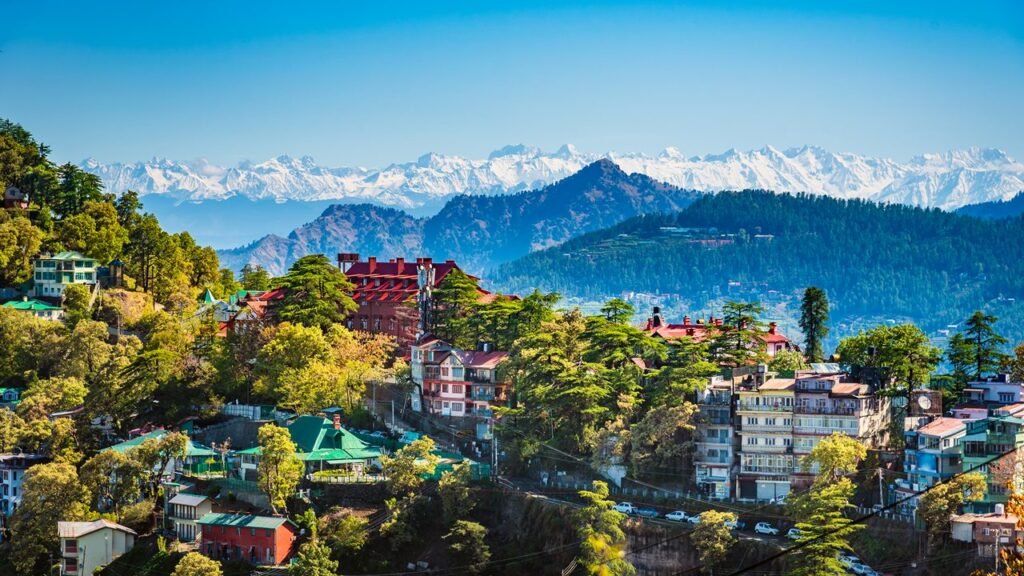
Himachal Pradesh remains one of the country’s most diverse and scenic tourist destinations. In 2026, with improved connectivity (including direct flights being supported on key routes like Delhi-Shimla-Dharamshala) and steady tourism growth, it’s easier to tailor your itinerary around what you want to experience — whether that’s snow adventures, off-beat cultural trails, or peaceful valley retreats.
Manali
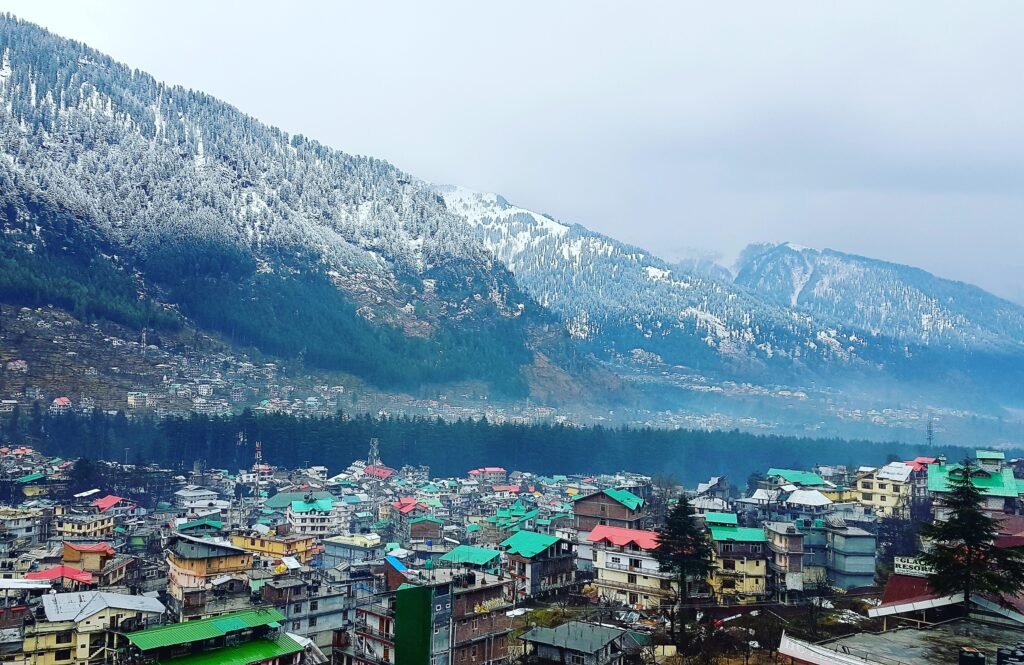
If there’s a spot that appears as a place on each “must-visit” list, it’s Manali. It is surrounded by the high Himalayan mountain ranges and situated along the Beas River, it blends the best of culture, adventure, as well as natural splendor.
- Adventure options: Paragliding, river rafting, skiing in Solang Valley and snow activities near Rohtang Pass in winter.
- Relaxation and culture: Visit Hadimba Temple, Manu Temple, or the hot springs in Vashisht village.
- Note for planning: Winter 2026 can be a very crowded time during snowfall events and traffic jams, as well as hotel availability can be difficult if you don’t plan ahead.
Manali is a great choice for all seasons. However, the peak winter months should be not to go through unless seeking snowy conditions.
Shimla
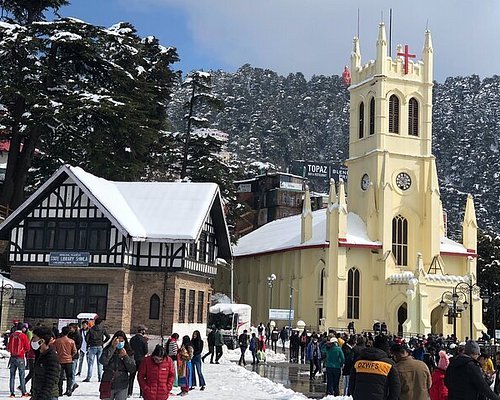
Oft referred to as”the “Queen of Hills,” Shimla is the Himachal’s capital, with a colonial ambiance as well as a number of historical sites.
- What to be sure to see: The Ridge and Mall Road for walking as well as shopping Jakhu Temple; Hatu Peak near Narkanda for expansive Himalayan views.
- What makes it amazing: Shimla mixes accessibility with the classic look of a hill station and is a great base from which to explore nearby valleys and tourist attractions.
This location is ideal for families as well as new visitors.
Dharamshala - McLeod Ganj
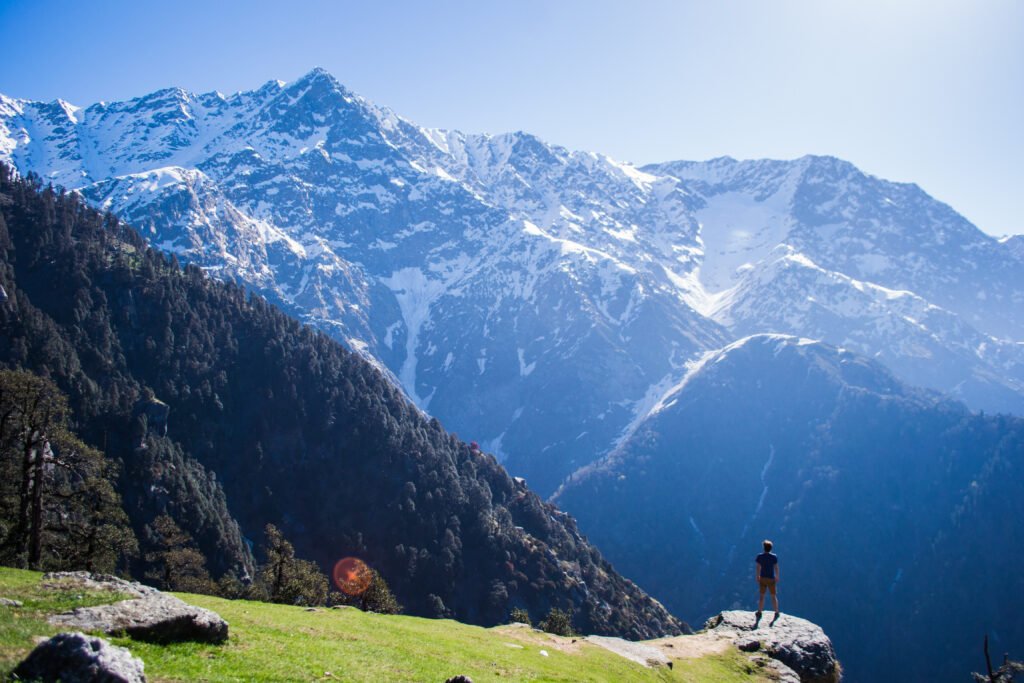
If you are looking for a mix of religion, culture, and the natural world, Dharamshala and its neighbour McLeod Ganj provide something distinct from other hill stations.
- Cultural attraction: Tibetan monasteries, the place of residence of the Dalai Lama and vibrant local market.
- Views and treks The places like Naddi Viewpoint and short hikes to areas such as Triund are ideal for views of the panoramic Dhauladhar views.
The place is less an enticing tourist destination but more of a peaceful getaway.
Kasol & Parvati Valley
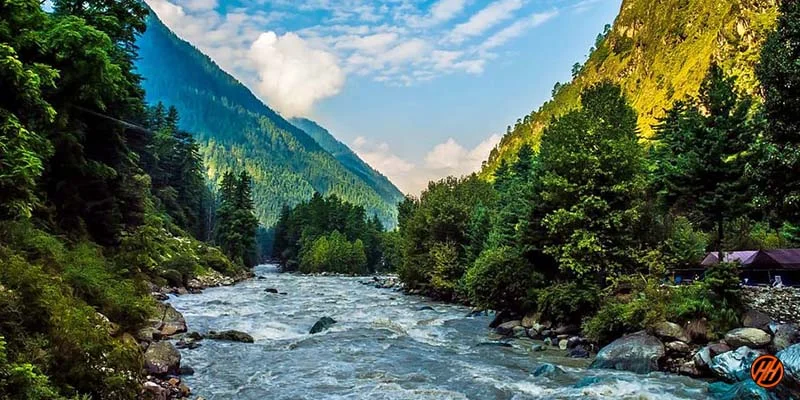
If your ideal of travel is more relaxing vibes and walks along the riverside, rather than masses, Kasol along with The parvati valley culture may be a good fit.
- VIBE: Bohemian comfortable for backpackers with riverside cafes and peaceful nature walks.
- Close to nature Chalal village the picturesque banks of the Parvati River and treks to spots such as Kheerganga’s hotsprings are just a few of the activities.
This region is usually recommended to visit in spring and the beginning of autumn in order to avoid large monsoon rains
Spiti Valley
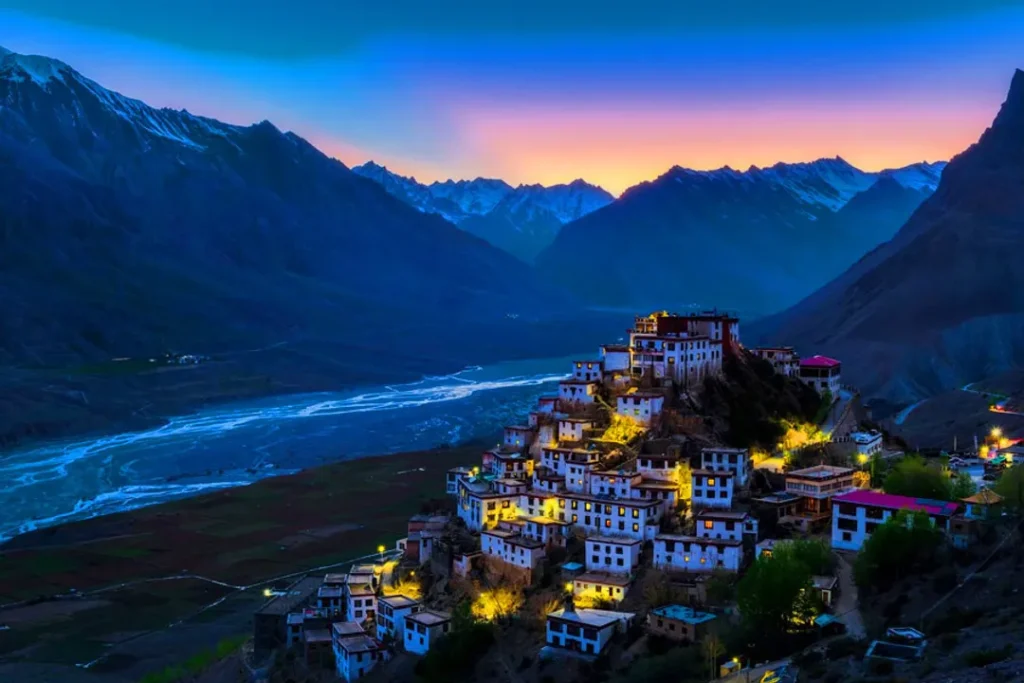
For those seeking remote landscapes and a feeling of wildness, Spiti Valley is distinctive and a stark high-altitude desert containing Buddhist tradition interspersed with Himalayan landscapes.
- What can you expect? Old monastery sites (like Key Monastery) and unique terrain stargazing, and rural villages.
This area isn’t suitable for everyone. The bumpy roads as well as basic stay could be difficult — however the scenic beauty and cultural richness make it appealing to many travellers.
Dalhousie & Khajjiar
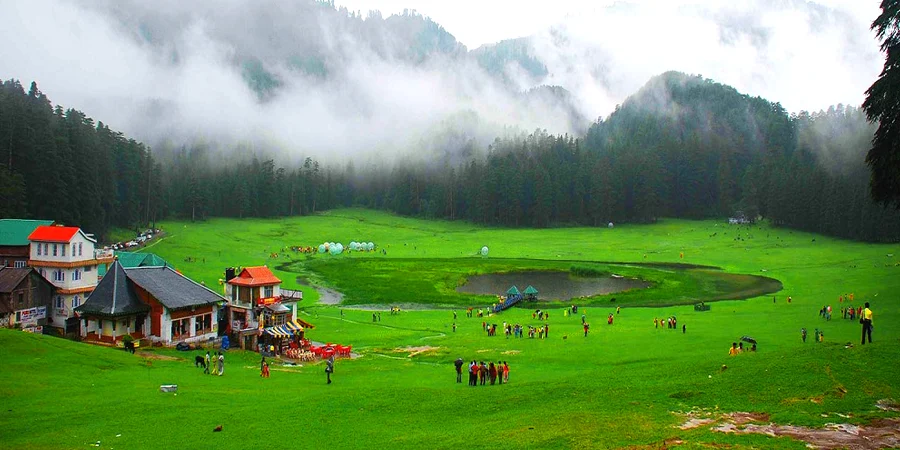
If you’re looking for a quieter hill and a traditional feel Dalhousie, and the close by Khajjiar (often named “Mini Switzerland”) are excellent options.
- Dalhousie laid-back walking paths, colonial architecture and hill slopes that are green.
- Khajjiar The plateau is picturesque and perfect for picnics or gentle walks. It also offers stunning views.
This set is ideal for couples, families or those who want to relax more than a high-octane thrill.
Kullu Valley
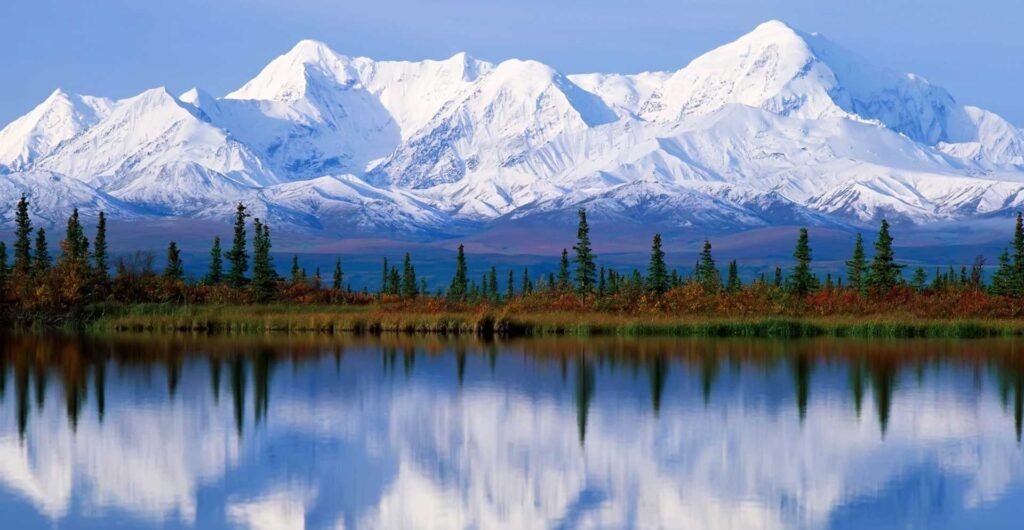
Sometimes, it’s placed in the same category as Manali however it is a worthy independent trip, Kullu Valley is a mix of agricultural landscapes (like Apple orchards) with river-related activities.
- activities: River rafting, temple visits to local temples festival dates, seasonal celebrations, and natural sights.
It’s not as crowded as Manali and is an ideal place to sit between relaxation and active
Great Himalayan National Park
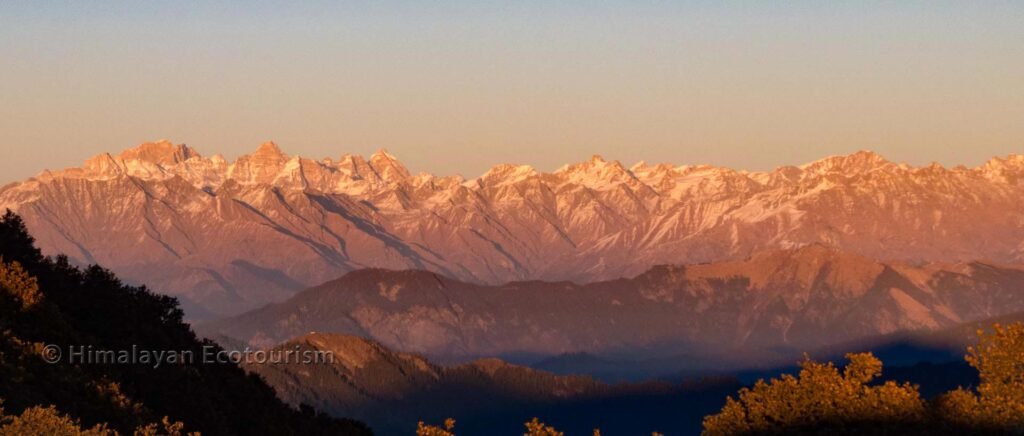
For those who appreciate nature For those who love nature, this UNESCO World Heritage zone is rich in biodiversity that goes beyond the traditional hill station.
- The experience: Trekking, birdwatching wild explorations, exploring wilderness and mountains flora and fauna.
Expect basic accommodation and fluctuating weather, so make sure you plan the local weather forecast.
Offbeat & Quiet Towns
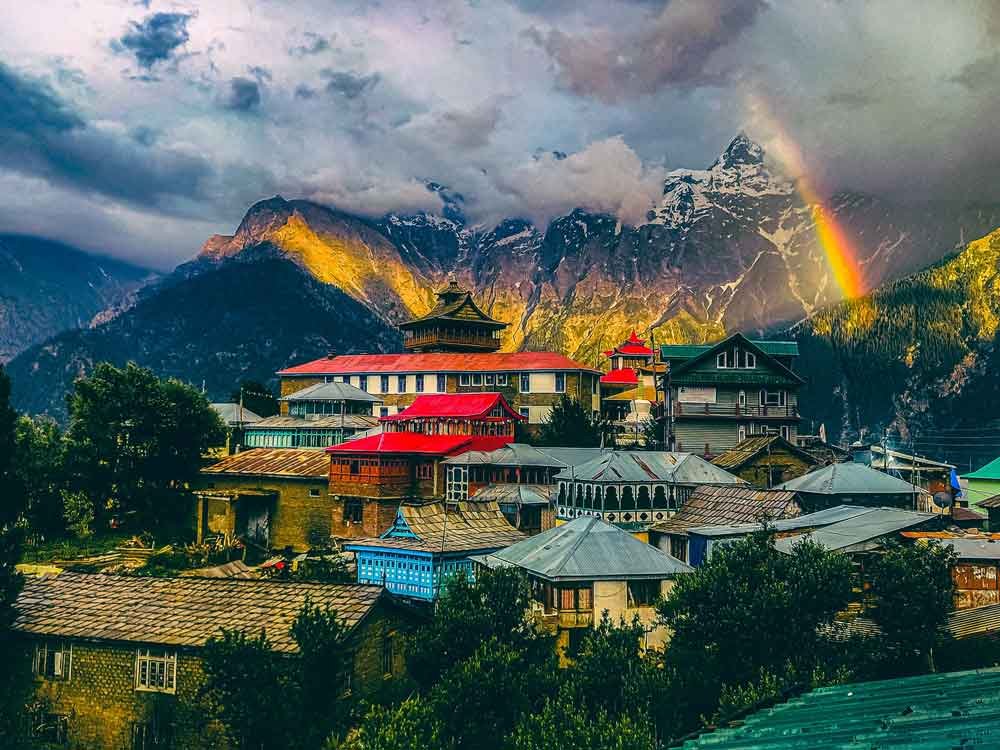
There are many less-known, but profitable spots, such as:
- Chamba: Temples, local cultural traditions, and views of valleys.
- Kasauli: Quiet colonial hill town, with forest trails.
- Palampur: Tea gardens and stunning Dhauladhar views.
- Kinnaur (Kalpa, Sangla): Dramatic landscapes and more peaceful travel experiences.
These are ideal when earlier locations feel too packed or commercial
Season & Planning Tips
- Spring through springtime (April-June): Comfortable weather, flowers and passes with open spaces such as Rohtang.
- Monsoon (July-August): Lush landscape, but occasionally road problems and landslides.
- Autumn (September-November): Clear skies and photography-friendly conditions.
- winter (December-February): Snow in higher regions and ideal for snow sports, but be prepared for crowds and delays in travel.
Every season brings its own taste to Himachal by balancing weather activities, crowds to create the perfect trip for 2026.
Final Thoughts
Himachal Pradesh isn’t one destination it’s numerous — from bustling adventure centers such as Manali to retreats for spirituality in Dharamshala and remote valleys in Spiti and more peaceful hill towns. If you’re interested in beautiful landscapes, culture or experiences or a combination with both of them, planning your trip around time and interest will ensure that your 2026 travel experience is memorable.