
Culinary Education 2026: Where Tradition Meets Tomorrow's Kitchen

The concept of the cooking class is undergoing a radical transformation. Gone are the days of simply gathering in a community center to replicate a chef’s pasta dish. As we look toward 2026, culinary education is evolving into a sophisticated fusion of art, science, and technology. The cooking classes of Culinary Education 2026 are not just about learning recipes; they are about mastering sustainable systems, leveraging artificial intelligence for personal health, and connecting with global cultures through immersive digital experiences. This new era promises to make culinary education more personalized, accessible, and impactful than ever before.
Hyper-Personalization Through AI
By 2026, the “one-size-fits-all” curriculum is obsolete. Artificial Intelligence has become the sous-chef of education, tailoring every lesson to the individual learner. Advanced platforms now analyze a student’s dietary restrictions, genetic predispositions, skill level, and even their pantry inventory to generate custom learning paths.
Imagine an AI that doesn’t just teach you how to make a curry but adjusts the recipe in real-time to lower sodium for hypertension management or swaps ingredients based on local seasonal availability. These smart systems track progress with precision, identifying that a student struggles with knife skills or temperature control, and then automatically serving up targeted micro-lessons to bridge those gaps. This data-driven approach ensures that education is efficient, relevant, and deeply personal, transforming cooking from a generic hobby into a tailored lifestyle tool.
Immersive Learning: VR and AR in the Kitchen
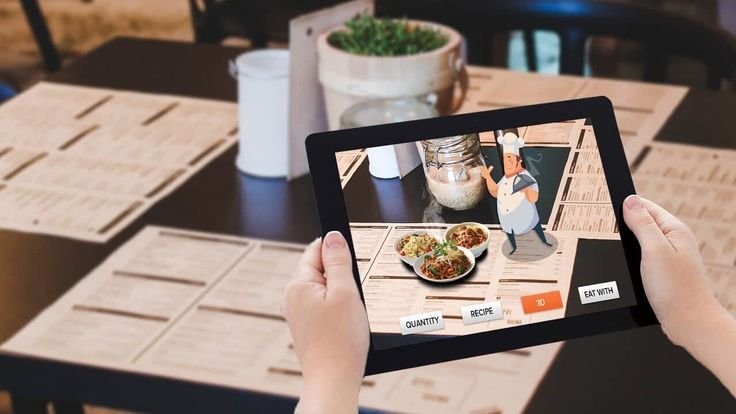
Virtual Reality (VR) and Augmented Reality (AR) have moved beyond novelty to become foundational tools in training by Culinary Education 2026. For the aspiring professional, VR offers risk-free environments to practice high-pressure scenarios. Students can now step into a virtual replication of a Michelin-starred kitchen during a dinner rush, practicing plating under time constraints or managing a brigade without the cost of wasted food or the stress of real-world consequences.
For home cooks, Augmented Reality (AR) glasses or smart displays have revolutionized the hands-on experience. Instead of glancing back and forth at a tablet, learners see holographic overlays directly on their workspace. These guides can project exact knife-cutting lines onto a vegetable, display real-time temperature data over a pan, or highlight the precise moment a sauce has reached the correct viscosity. This “see-what-I-see” technology bridges the gap between expert intuition and novice execution, making complex techniques accessible to everyone.
Sustainability and Regenerative Cooking
The intersection of food and medicine has never been more prominent. By 2026, cooking classes are frequently prescribed as part of holistic health plans. The focus has shifted from “dieting” to “nourishment,” with curricula designed around functional nutrition. Students learn how specific ingredients can reduce inflammation, support gut health, or boost cognitive function.
Classes are often specialized, catering to specific health goals such as “Cooking for Metabolic Health,” “Anti-Inflammatory Cuisine,” or “Gut-Friendly Fermentation.” Instructors are often cross-trained as nutritionists, capable of explaining the biochemical impact of a meal as well as its flavor profile. This scientific approach empowers individuals to take control of their health through the kitchen, transforming cooking from a chore into a proactive act of self-care and longevity.
Global Connectivity and Cultural Exchange
Technology has shrunk the world, and Culinary Education 2026 cooking classes are a testament to this connectivity. Virtual exchange programs allow students to cook “alongside” peers in different countries, sharing techniques and stories in real-time. A class on dumplings might feature simultaneous participants from China, Poland, and Argentina, comparing fillings and folding techniques in a rich, cross-cultural dialogue.
This global classroom fosters not just Culinary Education 2026 skills but cultural empathy. Students learn the history and significance behind dishes, understanding food as a language of heritage and identity. Platforms facilitate direct sourcing, allowing students to order authentic, rare ingredients directly from producers featured in their classes, supporting small-scale farmers and artisans globally. This creates a culinary ecosystem that is interconnected, ethical, and deeply respectful of tradition.
Conclusion: The Chef of the Future
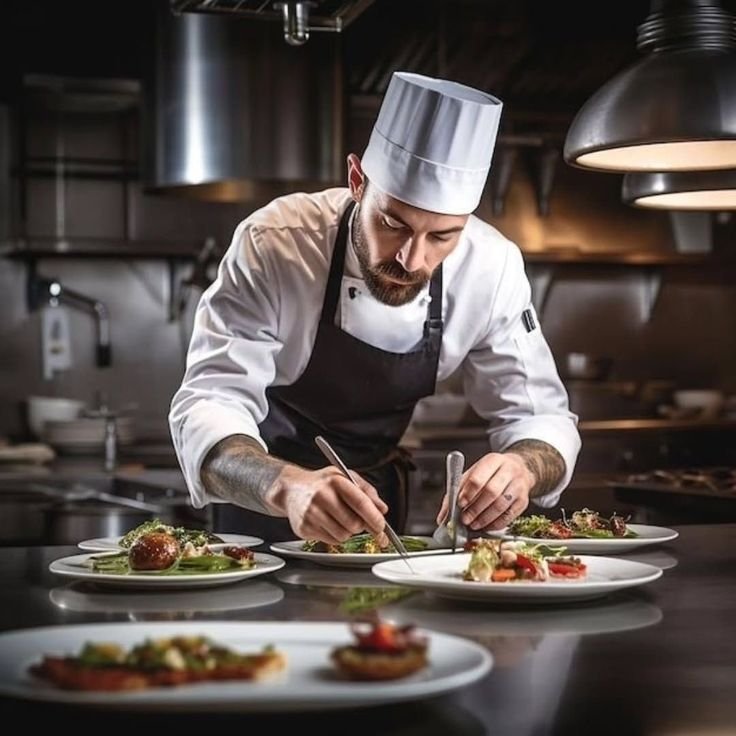
As we navigate 2026, the cooking class has evolved into a multifaceted institution. It is a tech lab, a wellness center, a sustainability workshop, and a global meeting place. The tools have changed, with AI and VR becoming as common as the apron and the knife, but the core mission remains untouched: to empower individuals through the mastery of food.
The future of Culinary Education 2026 is inclusive, intelligent, and deeply human. It recognizes that cooking is one of our most fundamental acts of creativity and care. Whether through a holographic instructor or a local community garden, the classes of 2026 are preparing a new generation of cooks who are not only skilled in flavor but also conscious of their health, their community, and their planet. In this brave new culinary world, everyone has a seat at the table, and the kitchen is truly the heart of the home—and the world.